


In rural areas, the journey to care sometimes begins long before a person enters a health facility. It may start with a home visit or a conversation with a trusted person who can listen, provide information, and offer guidance. In both India and Nepal, Rupendra and Shobha play this role right within their communities.
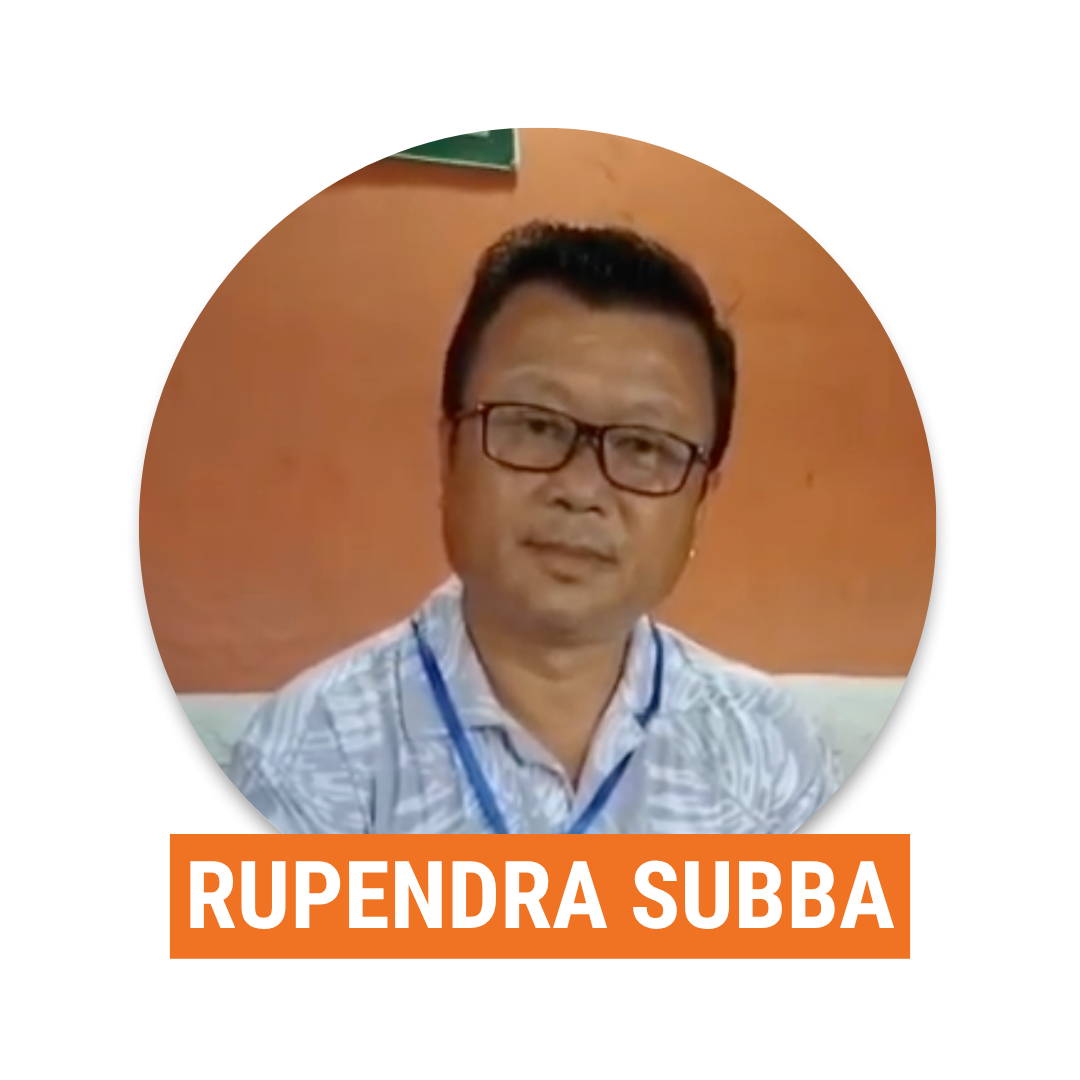
Before becoming a health educator in Darjeeling, India, Rupendra was a farmer and volunteer in his village. For the past year, he has been visiting families in the Mirik block, listening to them, talking with them about their health, and referring them to the care they need. He also helps organize health camps and awareness sessions in remote areas.
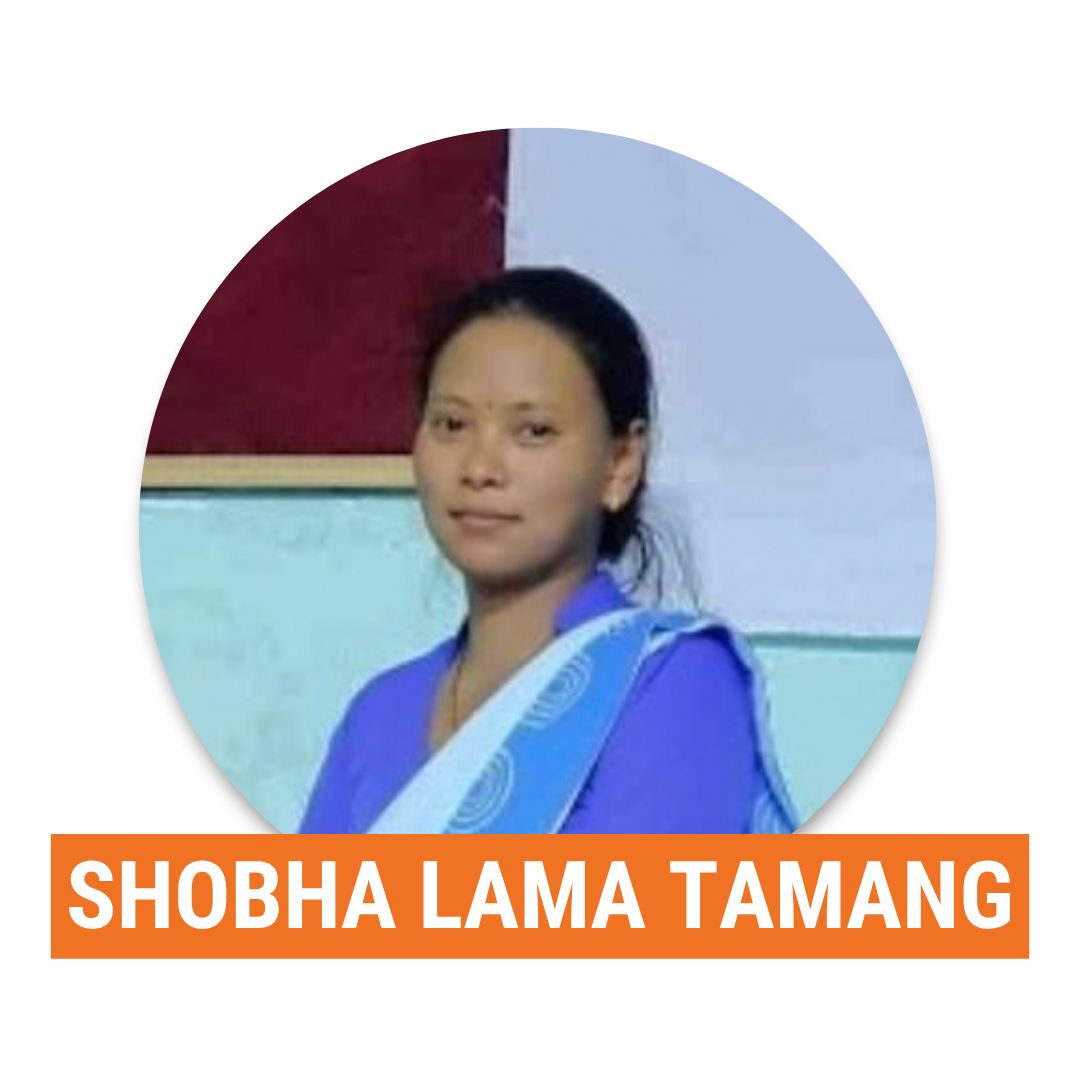
For the past four years, Shobha has been a community health worker in Khaniyabas, Nepal. The residents know her and feel comfortable talking openly about their concerns. She works closely with families during vaccination campaigns, at village clinics, at mothers’ group meetings, and during home visits.
Could you describe your role in your community?
Rupendra Subba: My work mainly involves staying connected with people in the community and helping them understand their health needs. I visit families at their homes, talk to them about their health, check their blood pressure and blood sugar when needed, and guide them towards the right care. We also organize health camps and awareness sessions on non-communicable diseases, menstrual health, etc., in remote areas.
A big part of my day is meeting people, listening to their concerns, and understanding what kind of help they need.
Shobha Lama Tamang: I support vaccination campaigns, village clinics, mothers’ group meetings and household visits. A big part of my work is sharing health information and helping community members understand when and where to seek care.
Why is it so important to build a relationship of trust before talking about health?
Rupendra: Trust is very important because people may not feel comfortable talking about their health right away. We cannot simply visit someone once and expect them to open up to us or follow our advice.
I try to build this relationship gradually. I visit people at their homes, listen to them and understand their concerns. I also make sure that when someone needs help, I stay in touch with them and do not leave them alone after the first consultation.
Shobha: Building trust is the foundation of everything I do. Since I live in the same community, people know me and feel comfortable speaking openly about their concerns. I listen carefully, give advice when I can, and when someone needs medical attention, I help connect them with the appropriate health facility while respecting their privacy.
Many people do not seek care even when they need it. What are the main reasons you observe?
Rupendra: I think one of the main reasons is a lack of information. Sometimes people do not understand how important it is to seek care at the right time.
For people living in remote areas, there can also be practical difficulties in reaching a health facility. So we try to go closer to people, talk to them at their homes and explain why it is important to seek care in time.
Shobha: People often know that they are not feeling well, but that does not always mean they seek treatment. Some are not sure whether their condition is serious enough to require treatment. Others worry about the cost of treatment, lack information about available services, or simply feel uncomfortable talking about personal health problems.
Can you share an example of someone you supported until they received the care they needed?
Rupendra: We meet many people through our health camps, including people with high blood pressure, diabetes and other health problems.
After a camp, we may provide medicines and then visit the person regularly to check whether they are taking them properly and whether they are facing any difficulties. We also check whether they need another consultation or further tests.
Shobha: One experience that remains particularly important to me concerns a mother who had become weak because of severe diarrhoea. She needed medical attention but had not yet sought treatment. After talking with her and understanding her situation, I referred her to a health facility where she received treatment and recovered.
Supporting someone from the moment they share their concerns until they receive the care they need is one of the most important parts of my work.
How do awareness sessions and community discussions help people continue their healthcare journey?
Rupendra: These sessions help people better understand their health. When people know what to look out for and why treatment is important, they are more likely to take action.
It makes the process easier for people. They know that they can turn to someone if they are confused or face difficulties along the way.
Shobha: Through mothers’ group meetings, community discussions, household visits and health education sessions, we help people better understand their health and make informed decisions.
Karuna-Shechen has supported this work through training on mothers’ group facilitation, nutrition, non-communicable diseases and community outreach. These opportunities have strengthened my ability to support families and help them navigate their healthcare journey.
What changes have you seen in your community since you started this work?
Rupendra: I have seen a positive change. Before, people were sometimes hesitant or did not know much about their health. Now, when we go into the field, people are often eager to know when the next health camp or awareness session will take place.
People ask more questions and take more interest in understanding their health. They are also becoming more proactive in seeking care.
Seeing this change makes me feel that our regular visits and conversations are making a difference.
Shobha: Over the years, I have seen encouraging changes in the community.
Pregnant women are attending regular health check-ups, child vaccination rates have improved, and preventive practices such as handwashing and hygiene are becoming more common. People who previously preferred to stay at home when they were sick are now more likely to visit a health facility and seek advice.
What motivates you most in your work?
Rupendra: Before starting this work, I volunteered in my village, which has around 78 households, and helped people whenever I could. After becoming a Health Animator, I have been able to do much more.
What motivates me most is that I learn something new every day. I worked as a farmer, and now I travel to different communities, meet people and understand their lives and health concerns.
When I can help someone who is suffering, guide them and connect them with the right care, I feel a real sense of happiness and pride. It makes me feel that I am doing something meaningful for someone and for my community.
Shobha: What motivates me most is the trust that people place in me. Every time someone accesses the care they need, it reminds me that improving access to healthcare is not only about services. It is also about relationships, trust, and making sure that no one has to face health challenges alone.